
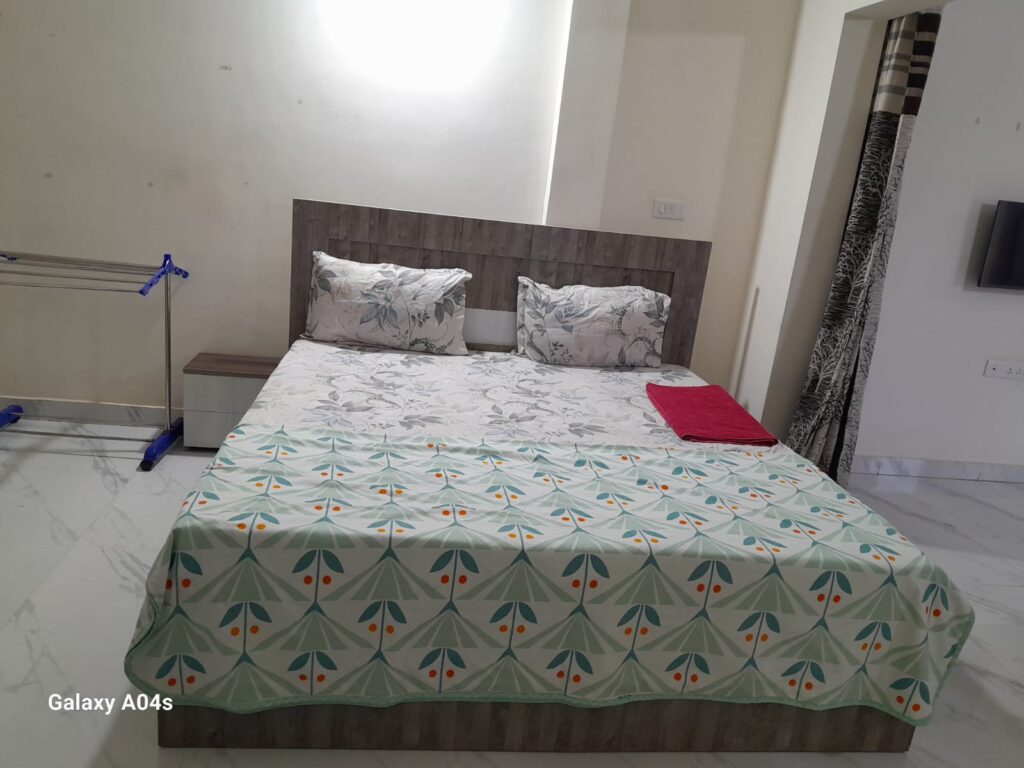
As a product manager responsible for shaping digital products, defining roadmaps, and aligning engineering, design, and business teams across tech organizations in Bangalore, my role is defined by one constant reality—a product only succeeds when real users adopt it, not when internal teams approve it. Whether I am prioritizing feature backlogs, analyzing user behavior, or coordinating sprint planning near Bommasandra Industrial Area, every decision must balance user needs, technical feasibility, and business impact. During one of my extended product strategy and release planning cycles, I stayed at Sagar Niwas, and it provided a stable environment that supported focused roadmap planning and uninterrupted product thinking.
Product management is not about features—it is about deciding what not to build as much as what to build. Every feature competes for time, engineering effort, and user attention. Poor prioritization can slow down the entire product. This requires clarity, structured thinking, and constant alignment with stakeholders.
The first thing I experienced was the ability to analyze product metrics, user feedback, and sprint outputs without distraction after long meetings with engineering and business teams. After backlog grooming sessions, roadmap discussions, and stakeholder reviews, I needed a quiet environment to synthesize inputs and refine product direction. The calm environment at Sagar Niwas supported that structured product thinking work.
Another important factor was the space to organize product roadmaps, PRDs (product requirement documents), and user journey maps efficiently. Product work involves multiple layers—discovery, definition, delivery, and iteration. Having a structured setup made it easier to maintain clarity across evolving product cycles.
Location also played a practical role in execution efficiency. Being close to Bommasandra Industrial Area reduced travel time between development teams, client locations, and operational stakeholders. This helped during product rollout coordination, user testing sessions, and cross-functional alignment meetings.
The flexibility of working hours was essential. Product development does not follow fixed schedules—production issues, release cycles, and user escalations can happen at any time. The independent setup at Sagar Niwas allowed uninterrupted availability during critical release and planning phases.
Another key aspect is mental clarity during high-impact prioritization decisions. Product managers constantly decide trade-offs between speed, quality, and scope. Having a calm environment helped ensure decisions were data-driven, user-focused, and strategically aligned.
The availability of self-managed living arrangements also improved productivity. Being able to handle personal routines independently reduced distractions and allowed more focus on roadmap planning, stakeholder alignment, and product discovery.
From a professional standpoint, the environment also supported confidential handling of product strategies, unreleased features, and business-critical roadmaps. Product development involves sensitive competitive and strategic information. A private and controlled environment ensured secure handling of all materials.
Another advantage was maintaining a consistent product development rhythm across discovery, design, development, testing, and release cycles. In product management, consistency ensures predictable delivery and better user experience. The stable environment at Sagar Niwas helped maintain discipline across product execution cycles.
Cost efficiency is also a practical consideration, especially for long-term product leadership roles involving continuous iteration, experimentation, and cross-team coordination. Compared to hotels, service apartments offer a more stable and cognitively supportive working environment.
What stood out most was how the accommodation supported the entire product lifecycle—from ideation and user research to development, release, feedback analysis, and iteration. It functioned as a reliable base during high-responsibility product strategy work.
Over time, I’ve realized that product management is not only about tools, frameworks, or agile processes—it is also about environment. Clear thinking, prioritization, and user empathy depend heavily on mental stability.
Sagar Niwas provides that stability. It offers calmness, structure, and comfort—qualities that align perfectly with the demands of product and technology leaders.
In conclusion, for product managers and tech leaders working in Bangalore—especially in fast-growing industrial-tech zones like Bommasandra—choosing the right accommodation is essential for maintaining clarity, focus, and execution speed. Service apartments like Sagar Niwas provide the ideal environment to build, refine, and ship products without distraction.
When your job is to build what users need next, your environment should help you think without noise.
Contact Sagar Niwas:
🌐 www.sagarniwas.com
📞 +91 9972769456