
There’s a short window of time that often goes unnoticed. It sits between the end of one day and the beginning of the next. In fast-moving work environments around Bommasandra in Bangalore, that window is not always long—but it is important.
It’s where the mind resets, even if only slightly.
For professionals handling continuous workloads, this transition is rarely dramatic. There’s no complete shutdown, no full separation from work. Instead, there’s a gradual shift—thoughts slow down, urgency reduces, and the focus begins to loosen.
How that shift happens depends a lot on the environment.
If the space demands attention, the transition gets delayed. If it introduces small interruptions, the mind stays partially engaged. But if the space remains steady, that transition becomes smoother, almost automatic.
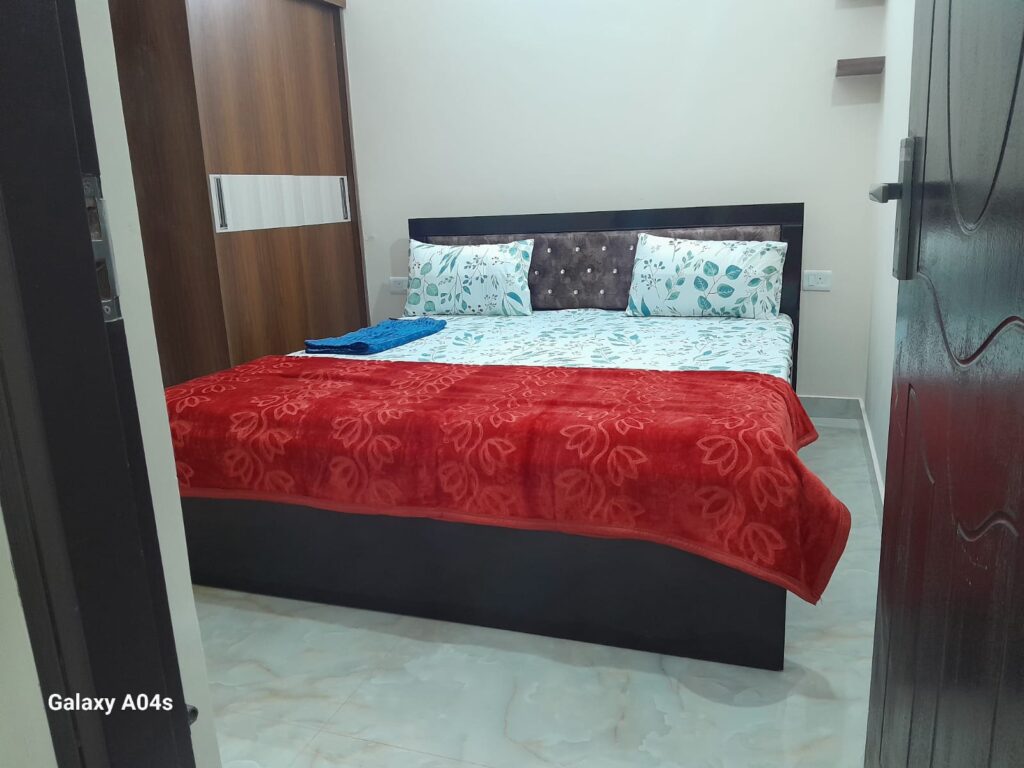
At Sagar Niwas, this in-between time tends to settle naturally.
There’s no need to prepare the environment before resting. No additional steps required to feel settled. The space already holds a level of familiarity that allows the mind to move into that quieter state without resistance.
This doesn’t mean work disappears. Often, thoughts about the day or the next task still linger. But they do so in a calmer, more controlled way. There’s room to process, rather than react.
That difference becomes important over longer periods.
When this transition happens smoothly every day, it reduces cumulative fatigue. It allows professionals to carry forward clarity instead of stress. Even if the workload remains high, the ability to reset—even briefly—keeps the overall rhythm balanced.
And that balance is what sustains performance.
Because productivity is not only about active hours—it is also about how effectively the mind can move out of them, even for a short while. Without that shift, everything starts to feel continuous in a way that drains energy.
A stable environment supports that shift without needing to do anything visible.
It doesn’t create the transition—it simply allows it to happen.
And over time, that becomes part of the routine. Not something noticed every day, but something that quietly supports each day’s beginning and end.
In the larger picture, these small transitions are what hold long work cycles together. They keep the pace manageable. They prevent overload. They allow continuity without exhaustion.
And sometimes, the most important role of a place is not during the busiest hours—but during the quiet moments in between.
🌐 www.sagarniwas.com
📞 +91 9972769456