
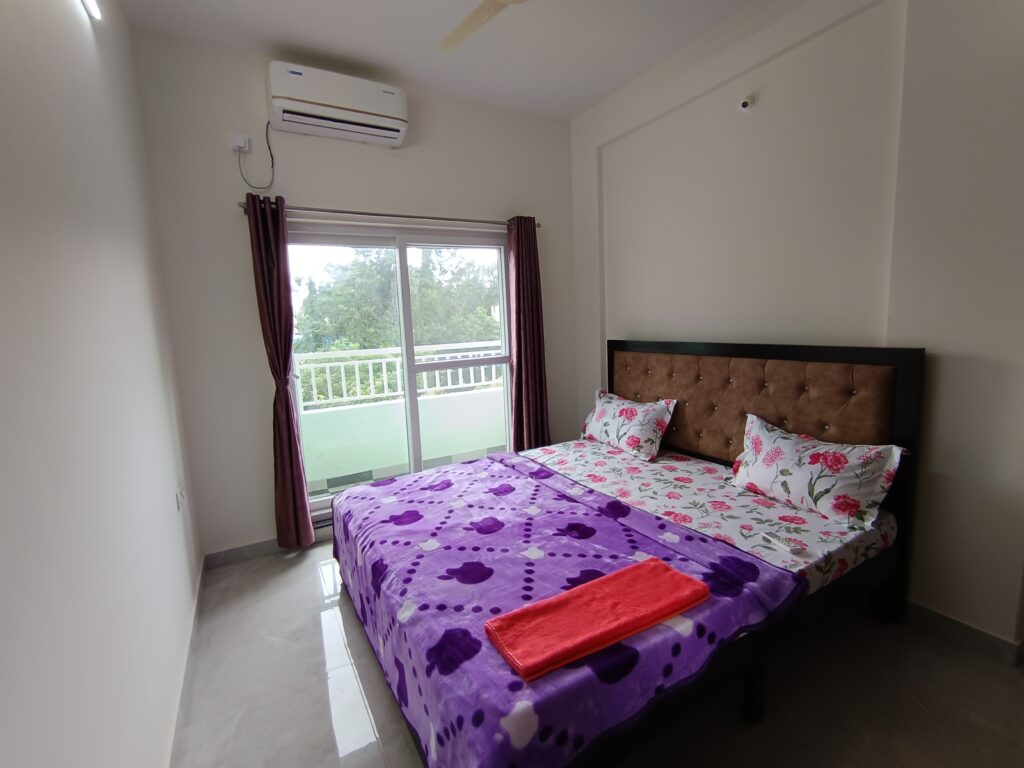
As an operations lead in the energy and utilities sector responsible for ensuring uninterrupted power distribution, monitoring grid stability, and coordinating maintenance across industrial and residential demand zones in Bangalore, my role is defined by one non-negotiable expectation—when everything else fails, power must not. Whether I am reviewing load forecasts, coordinating substation maintenance, or responding to outage escalations near Bommasandra Industrial Area, every decision directly affects critical infrastructure, manufacturing continuity, and daily life. During one of my extended grid optimization and field coordination cycles, I stayed at Sagar Niwas, and it provided a stable environment that supported focused operational analysis and uninterrupted planning.
Energy operations is not just about electricity—it is about balancing supply and demand in real time while preparing for uncertainty. Demand fluctuates hourly, infrastructure ages unpredictably, and external conditions like weather or industrial surges can shift load patterns instantly. This requires constant monitoring, disciplined forecasting, and calm decision-making under pressure.
The first thing I experienced was the ability to analyze load dispatch data, outage reports, and grid performance dashboards without distraction after long field inspections and coordination calls. After reviewing substations, maintenance logs, and control room updates, I needed a quiet environment to evaluate system stability and refine operational strategies. The calm environment at Sagar Niwas supported that structured energy systems analysis.
Another important factor was the space to organize maintenance schedules, energy distribution models, and grid reliability reports efficiently. Energy operations involve layered systems—generation, transmission, and distribution. Having a structured setup made it easier to maintain clarity across all operational levels.
Location also played a practical role in execution efficiency. Being close to Bommasandra Industrial Area reduced travel time between industrial consumers, substations, and operational hubs. This helped during urgent outage response coordination and field troubleshooting activities.
The flexibility of working hours was essential. Power systems operate 24/7—faults, overloads, and emergency shutdowns can happen at any time. The independent setup at Sagar Niwas allowed uninterrupted availability during critical incident response and load balancing situations.
Another key aspect is mental clarity during high-pressure grid stability decisions. Energy operators must decide quickly whether to reroute power, isolate faults, or adjust load distribution. Having a calm environment helped ensure decisions were precise, safe, and system-stable.
The availability of self-managed living arrangements also improved productivity. Being able to handle personal routines independently reduced distractions and allowed more focus on system monitoring, analysis, and planning.
From a professional standpoint, the environment also supported confidential handling of grid data, infrastructure reports, and operational risk assessments. Energy systems involve critical infrastructure information. A private and controlled environment ensured secure handling of all sensitive operational data.
Another advantage was maintaining a consistent operational rhythm across maintenance cycles, demand forecasting, and grid optimization planning. In utilities, consistency ensures reliability and prevents system stress. The stable environment at Sagar Niwas helped maintain discipline across operational cycles.
Cost efficiency is also a practical consideration, especially for long-term utility operations involving continuous fieldwork, monitoring, and coordination with multiple agencies. Compared to hotels, service apartments offer a more stable and functional base for extended operational assignments.
What stood out most was how the accommodation supported the entire energy lifecycle—from demand analysis and grid planning to maintenance execution, outage management, and system optimization. It functioned as a reliable base during high-responsibility utility operations work.
Over time, I’ve realized that energy systems are not only about infrastructure, cables, or substations—it is also about environment. Clear thinking, disciplined execution, and real-time decision-making depend heavily on mental stability.
Sagar Niwas provides that stability. It offers calmness, structure, and comfort—qualities that align perfectly with the demands of energy and utilities professionals.
In conclusion, for power and infrastructure operations leaders working in Bangalore—especially in high-demand industrial zones like Bommasandra—choosing the right accommodation is essential for maintaining reliability, responsiveness, and system stability. Service apartments like Sagar Niwas provide the ideal environment to monitor, manage, and stabilize critical energy systems without distraction.
When your job is to keep the lights on for everyone else, your environment should help you think without interruption.
Contact Sagar Niwas:
🌐 www.sagarniwas.com
📞 +91 9972769456