
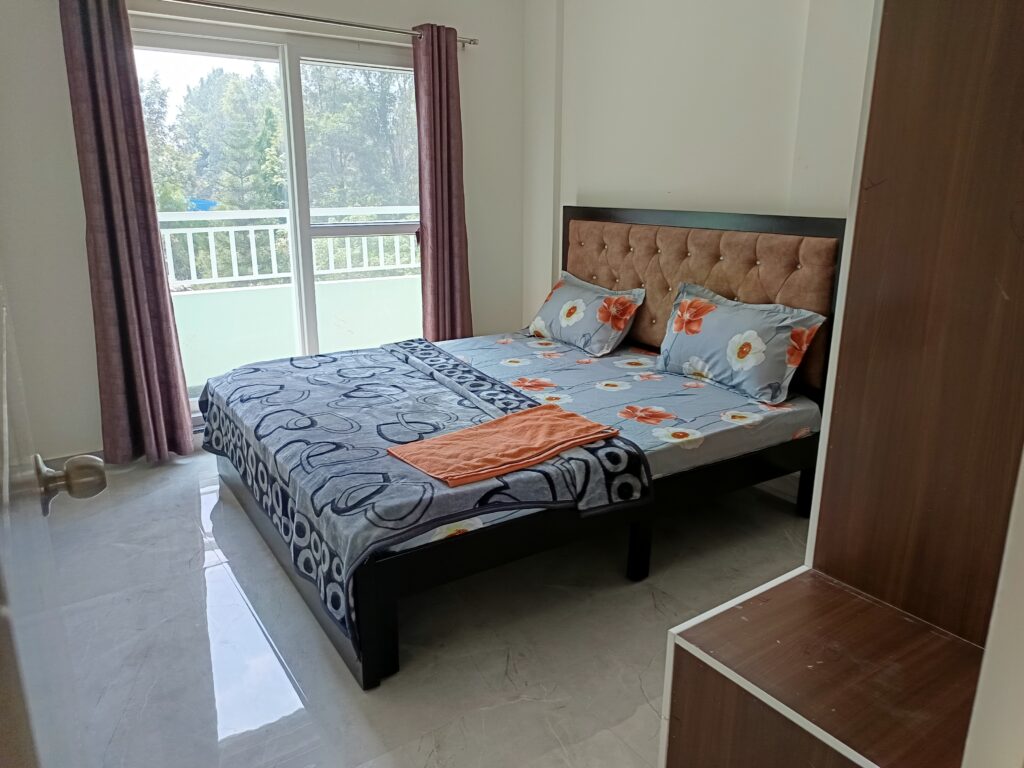
As a cloud infrastructure architect responsible for designing scalable systems, ensuring uptime, and optimizing cloud costs across enterprises in Bangalore, my role is defined by one constant reality—systems are never truly “finished,” they only evolve. Whether I am designing multi-region architectures, reviewing deployment pipelines, or planning disaster recovery strategies near Bommasandra Industrial Area, every decision must balance reliability, performance, and cost efficiency. During one of my extended infrastructure design cycles, I stayed at Sagar Niwas, and it provided a stable environment that supported deep architectural thinking and uninterrupted system planning.
Infrastructure architecture is not just about servers or cloud services—it is about designing systems that survive failure and still perform under pressure. A small miscalculation in scaling strategy, networking design, or failover configuration can lead to large-scale outages. This requires long, uninterrupted thinking cycles where every dependency is carefully evaluated.
The first thing I experienced was the ability to design and review system architectures without distraction after long technical alignment meetings. After discussions with engineering teams, DevOps, and security stakeholders, I needed a quiet environment to evaluate architecture diagrams and refine design decisions. The calm environment at Sagar Niwas supported that structured deep-dive thinking.
Another important factor was the space to manage infrastructure documentation, cloud topology diagrams, and cost optimization models efficiently. Infrastructure work involves constant balancing between performance and expenditure. Having a structured setup made it easier to maintain clarity across multiple system layers.
Location also played a practical role in execution efficiency. Being close to Bommasandra Industrial Area reduced travel time between data centers, engineering hubs, and operational facilities. This helped during infrastructure audits, deployment validations, and system scaling discussions.
The flexibility of working hours was essential. Infrastructure issues are not time-bound—failures, latency spikes, or scaling needs can arise at any time. The independent setup at Sagar Niwas allowed uninterrupted availability during critical system planning and incident response.
Another key aspect is mental clarity during high-impact architectural trade-off decisions. Infrastructure architects constantly choose between cost, redundancy, latency, and scalability. Having a calm environment helped ensure these decisions were logical, balanced, and future-proof.
The availability of self-managed living arrangements also improved productivity. Being able to handle personal routines independently reduced distractions and allowed more focus on system design, optimization, and planning.
From a professional standpoint, the environment also supported confidential handling of infrastructure blueprints, security configurations, and deployment strategies. Infrastructure design involves sensitive enterprise architecture details. A private and controlled environment ensured secure handling of all technical data.
Another advantage was maintaining a consistent architecture planning rhythm across design reviews, implementation phases, and optimization cycles. In infrastructure work, consistency ensures system stability. The stable environment at Sagar Niwas helped maintain discipline across planning iterations.
Cost efficiency is also a practical consideration, especially for long-term architecture projects involving continuous evaluation and optimization of cloud resources. Compared to hotels, service apartments offer a more sustainable and focused working environment.
What stood out most was how the accommodation supported the entire infrastructure lifecycle—from system design and capacity planning to deployment, monitoring, scaling, and optimization. It functioned as a reliable base during high-responsibility architecture work.
Over time, I’ve realized that infrastructure design is not only about cloud platforms, tools, or configurations—it is also about environment. Clear thinking, long-term planning, and precision depend heavily on mental stability.
Sagar Niwas provides that stability. It offers calmness, structure, and comfort—qualities that align perfectly with the demands of infrastructure architects.
In conclusion, for cloud and infrastructure professionals working in Bangalore—especially in industrial and technology-heavy zones like Bommasandra—choosing the right accommodation is essential for maintaining clarity, precision, and system reliability. Service apartments like Sagar Niwas provide the ideal environment to design, scale, and stabilize modern infrastructure without distraction.
When your job is to build systems that never fail, your environment should help you think without interruption.
Contact Sagar Niwas:
🌐 www.sagarniwas.com
📞 +91 9972769456