
In long-running professional assignments, especially in fast-developing industrial zones around Bangalore, work stops feeling like something that happens in one place and life in another. It becomes a single integrated system. Meetings, travel, planning, execution, reporting, and coordination all blend into one continuous operational loop.
In that kind of structure, the place where someone stays is no longer separate from the work system. It quietly becomes part of it.
Professionals don’t always notice this shift immediately. It happens gradually over days of repetition—early departures, late returns, unpredictable schedules, and constant adjustments. Eventually, what they need most is not variety, but reliability. A space that behaves the same way every day, regardless of how unpredictable the workday has been.
That consistency removes a layer of mental effort that often goes unnoticed until it is absent.
When everything outside work remains predictable, it becomes easier to stay mentally organized. Notes are clearer. Planning is more structured. Even problem-solving becomes less scattered because the mind is not constantly adjusting to new external conditions.
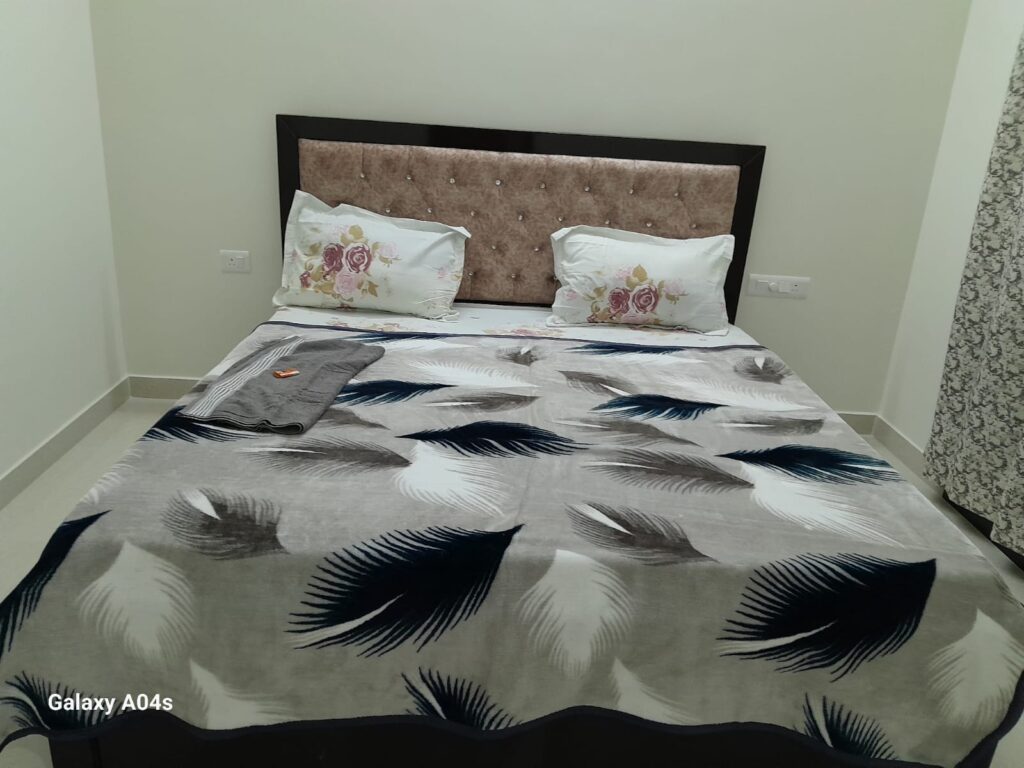
This is where a place like Sagar Niwas fits naturally into the routine of long-term professionals. It doesn’t try to compete with the intensity of their workday. It simply remains steady while everything else moves at different speeds.
After long site visits or extended coordination meetings, people return not to reset their environment, but to continue their flow—reviewing updates, preparing for the next day, or simply decompressing without additional effort. The transition is smooth because nothing needs to be “handled” again upon return.
Over time, this creates a quiet form of efficiency. Not visible in reports or dashboards, but reflected in how stable the overall routine becomes. Less energy is spent on switching contexts. More energy remains available for actual decision-making and execution.
Even rest begins to serve a functional role. It is not just recovery—it is preparation for continuity. Sleep, meals, and downtime fit into the same predictable structure, which reduces friction across the entire cycle of work.
And when professionals eventually move out of that phase—when projects end or roles change—they often realize that what made the period manageable was not just their workload handling capacity, but the stability of everything around it.
Because in high-intensity environments, success is rarely just about working harder. It is also about removing everything that unnecessarily interrupts how work naturally flows.
That is where consistency quietly becomes an advantage.
And that is where the value of a stable base becomes most clear.
🌐 www.sagarniwas.com
📞 +91 9972769456